Project description
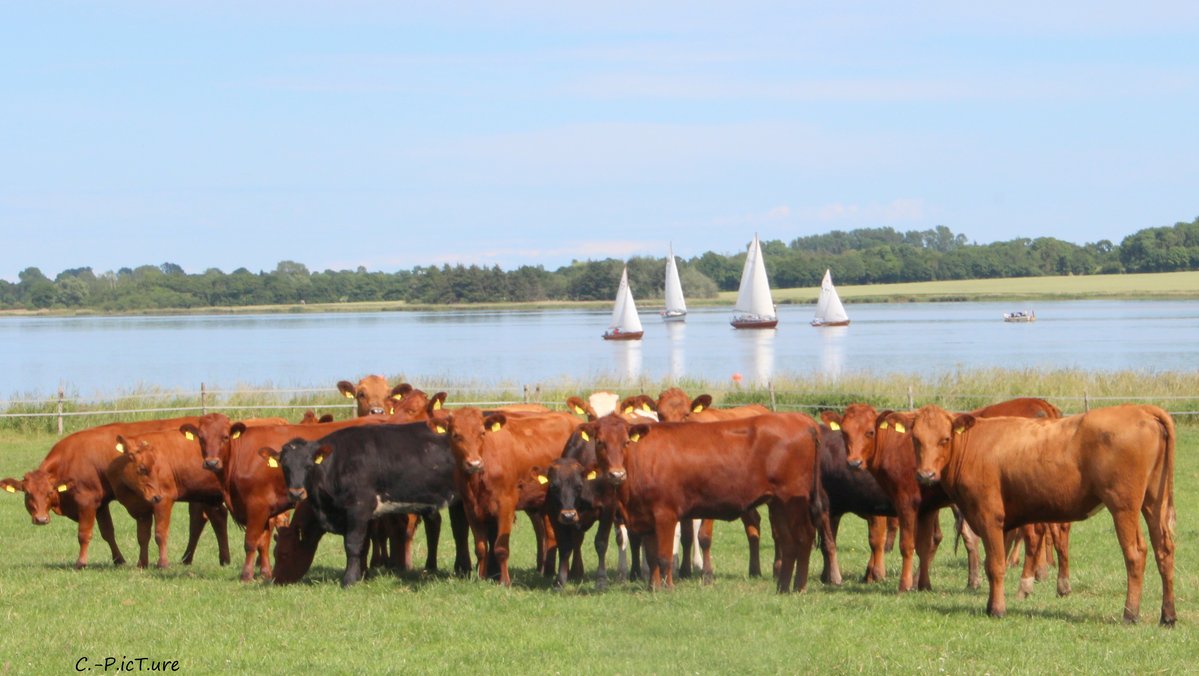
The Angler cattle breed is one of the oldest cattle breeds in northern Germany and a valuable animal genetic resource. As a robust dairy cattle breed adapted to the region, it has great potential for sustainable agriculture. At the same time, its population size has been declining for years, which is why it is considered a so-called observation population. Against this background, the project aimed to establish a scientifically sound basis for combining the long-term preservation of the Angler cattle with animal welfare, climate protection and economic efficiency.
The project collected and evaluated comprehensive data on animal welfare, animal health, digitalisation, genetics and climate efficiency in Angler cattle for the first time. With the help of modern digital tools, including an app for animal welfare assessment, milk yield and sensor data, and genetic analyses, it was possible to obtain an up-to-date overview of the situation on the farms. A particular focus was placed on the indirect estimation of methane emissions via milk fatty acids. This enabled individual estimates of methane emissions in Angler cattle to be generated for the first time and genetic correlations to be investigated, which is an important prerequisite for future climate-efficient breeding strategies.
In addition, the project showed that many Angler farms are already highly digitised, but that there is a need for better standardisation of data systems. Other key results included the first systematic animal welfare data collection in Schleswig-Holstein, extensive pedigree analyses with low inbreeding values, and successful preliminary work on modelling lactation curves in Angler cattle.
Overall, the project made a significant contribution to the visibility, evaluation and further development of this endangered breed. The findings provide a solid basis for sustainable breeding and management strategies and strengthen the role of Angler cattle as a sustainable, climate-adapted alternative in dairy farming.